
The most common mistake when selecting key accounts is emphasizing revenue as the primary criterion. This sometimes involves picking the top 50 accounts and identifying them as key accounts. Often, this kind of thinking leads to the identification of the top 50 revenue-generating accounts as being your key accounts, driven by the belief that the highest earners in the market are automatically the most valuable targets. A more effective approach is to prioritize accounts based on their potential, rather than just current revenue figures.
These three critical steps will help you select key accounts based on their potential:
Conduct a Portfolio Analysis
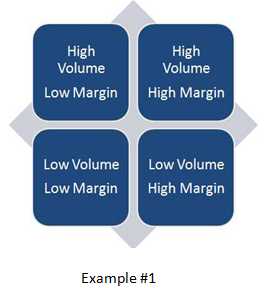
The customer value matrix, which is included below as Example #1, pinpoints high-potential accounts by plotting existing customers accordingly. The portfolio analysis process involves:
- Reviewing the last three years of actual volume or revenue, in addition to the actual cost to support these clients. In many cases, this often uncovers hidden losses in accounts previously considered to be key.
- Estimating the cost and growth potential for these accounts over the next three years.
- Defining the type of buyer as strategic or transactional. It's essential to recognize that desiring an account to be key doesn't automatically qualify it as such; mutual benefit is what you're looking for.
Tie Your Company’s Overall Strategy to the Selection Analysis
Limit the selection criteria you use to qualify key accounts to between three and five items. The following are just a few examples of the possibilities:
- Revenue potential (avoid weighting this too heavily).
- Centralized purchasing.
- Product fit.
- Solvency.
- Growth potential.
- Existing relationships.
- Possible channel management partner.
- Cultural fit.
- Geographical alignment.
Start With a Pilot of 2 to 3 Key Accounts and Then Expand
Start with no more than two or three accounts, as selecting more initially can be a recipe for disaster. Work out any initial challenges and establish a strong, focused foundation for success by being extremely focused. A critical success factor for the implementation phase is to promise nothing you cannot deliver. I’m sure none of your sellers have ever done that. Keep in mind that talent management is always a key success metric.
Regarding the implementation timeline of the program, it generally varies. Typically, a full implementation can take anywhere from 12 to 24 months before considering any program expansion. Once the key accounts are selected based on your pre-defined criteria and success measurements, it's time to take action.